
A new study suggests that the world’s oxygen-depleted oceans could return to high oxygen concentrations in the coming centuries, even as the climate continues to warm.
Researchers from the University of Southampton (UK) and Rutgers University (USA) examined plankton fossils in the Arabian Sea and found that despite dramatic global warming 16 million years ago, oxygen levels were higher than they are today. It wasn’t until four million years later, when the climate cooled, that the oceans became truly oxygen-starved.
The researchers also found that this region off the west coast of India behaved differently from similar low-oxygen regions in the Pacific Ocean, suggesting that other regional systems, such as strong winds, ocean currents, and outflow from marginal oceans, may have slowed the process.
Scientists’ discoveries are published in Nature magazine Communication Earth and Environment .
“Dissolved oxygen in our oceans is essential for sustaining marine life and promoting greater biodiversity and stronger ecosystems. However, over the past 50 years, as global temperatures have risen, 2 percent of the oxygen in the world’s oceans has been lost every decade,” the co-lead authors explain. Dr. Alexandra Orderset He holds a PhD from the University of Southampton and was previously affiliated with the Max Planck Institute for Chemistry in Mainz.
She added: “The Miocene climate optimum (MCO), a period of about 17 to 14 million years ago, had temperatures and atmospheric conditions similar to those we predict will occur after 2100. We took a snapshot of ocean oxygenation during the MCO to understand how things will develop more than 100 years from now.”
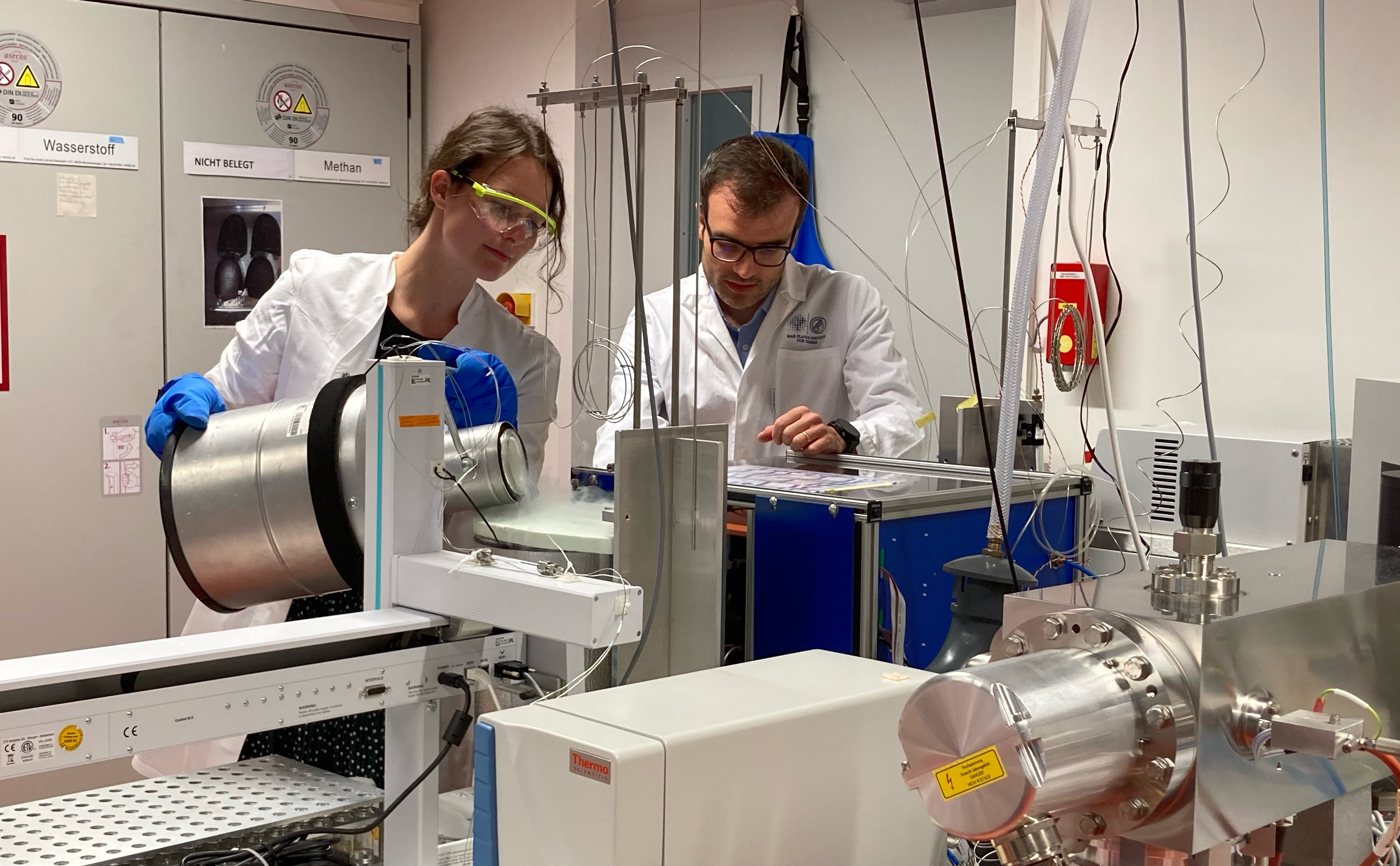
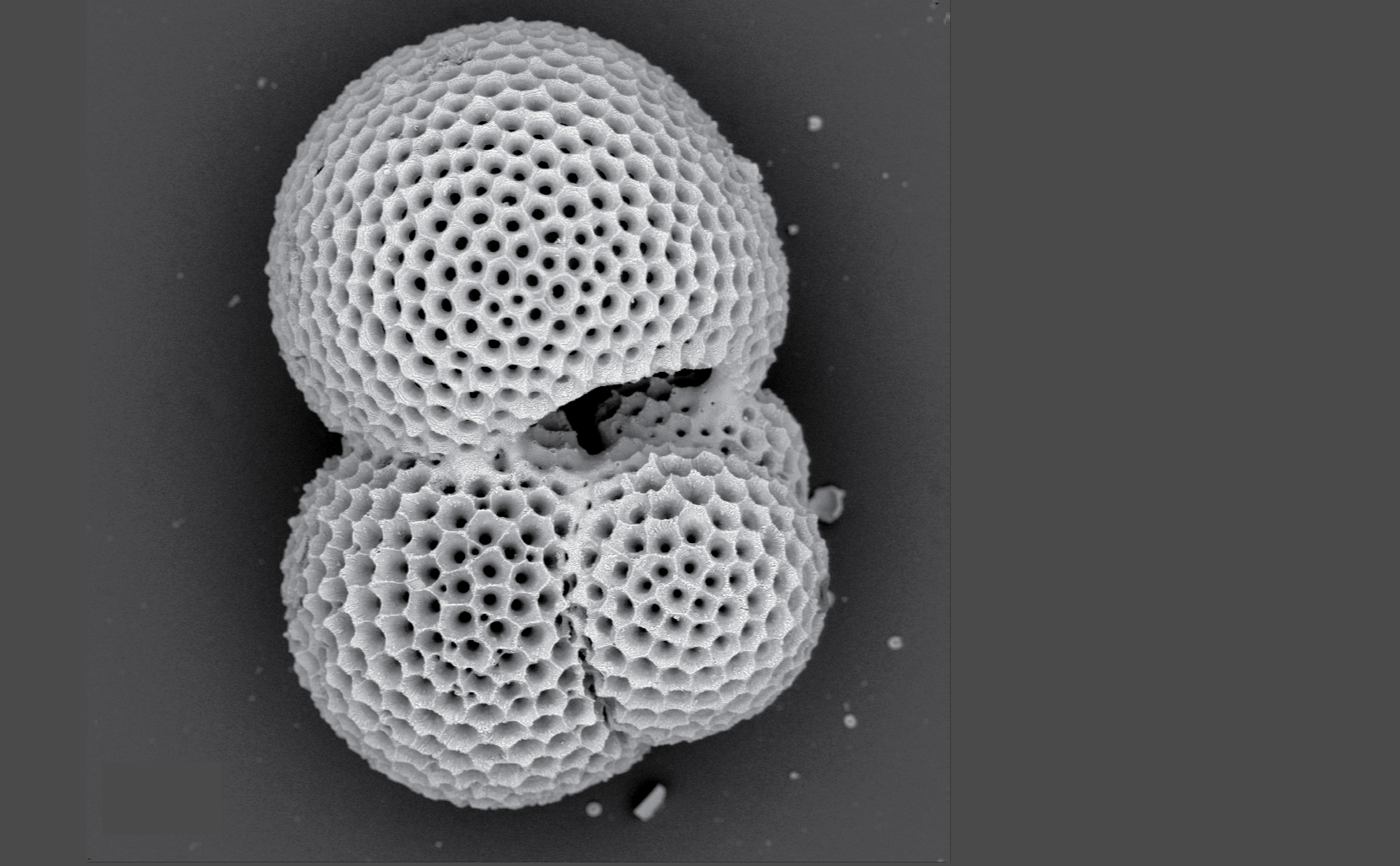
Scientists examined tiny fossil plankton called foraminifera extracted from core samples provided by the Ocean Drilling Program (ODP). The remains of these organisms contain important chemical information that can indicate the concentration of oxygen in seawater over millions of years.
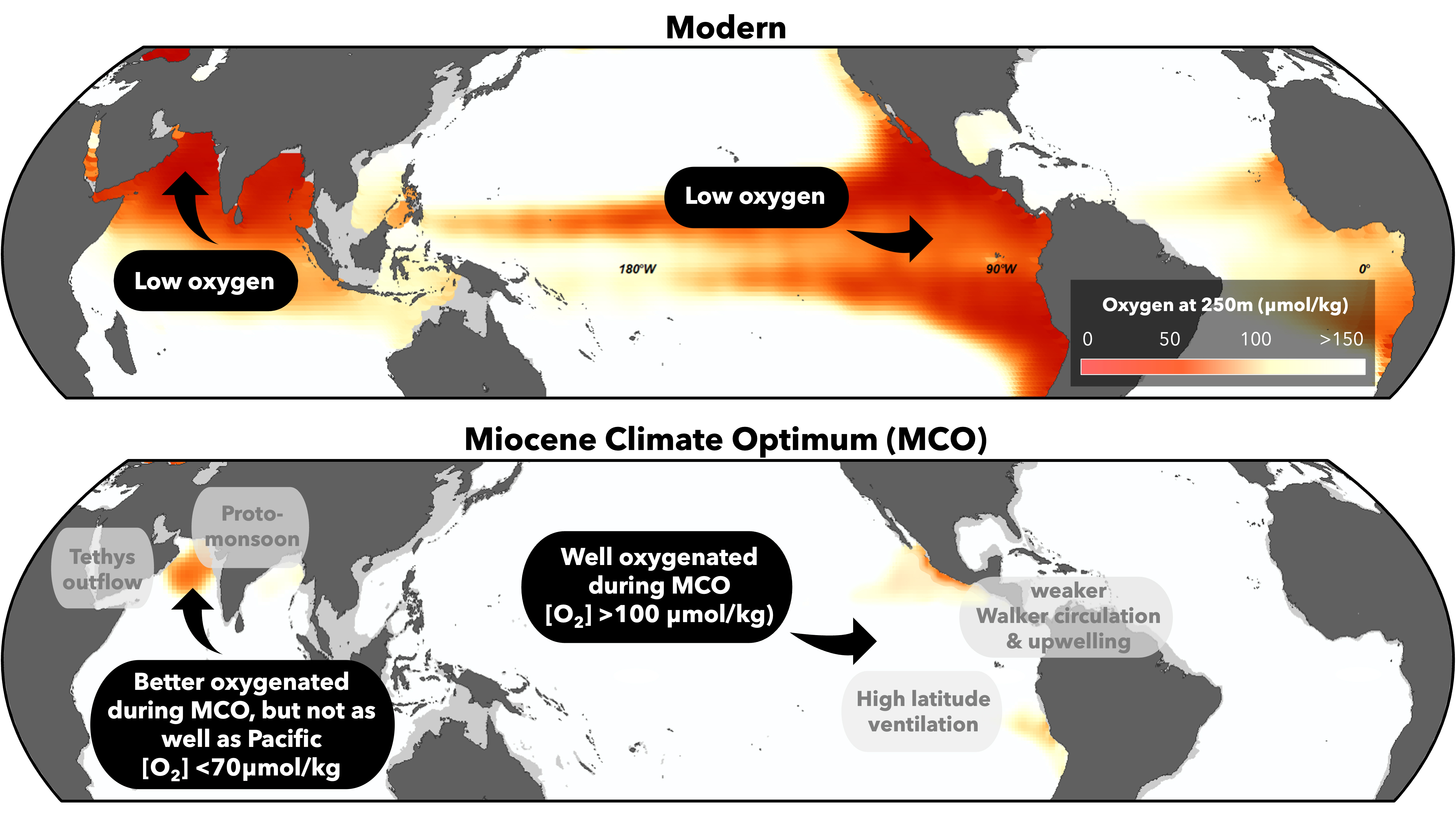
Researchers found that from the early Miocene (19 million years ago) until about 12 million years ago, an oxygen minimum zone (OMZ) existed in the Arabian Sea, with oxygen concentrations below about 100 micromoles per kilogram of water.
However, oxygen levels at this time were not low enough to trigger the process of nitrogen being pumped out of the water and into the atmosphere (a condition observed in the Arabian Sea today). Rather, this process was delayed and did not occur until after 12 million years.
“Currently, parts of the Arabian Sea are in ‘suboxic’ conditions, with minimal oxygen supply, and therefore only a limited number of marine species are present. The same region during the MCO was hypoxic under similar climate conditions, so it has a relatively moderate oxygen content and is home to a wider range of species,” Dr. Orderset said.
Co-lead author Dr. Anya Hess of George Mason University, formerly of Rutgers University and Woods Hole Oceanographic Institution, added: “The MCO is the closest comparison to climate warming since 2100 under high emissions scenarios. One of our previous studies shows that the eastern tropical Pacific was actually well oxygenated during this period, in contrast to the deoxygenation trends seen today.”
“The Arabian Sea was also more oxygen-rich during the MCO, but not as much as the Pacific Ocean, with moderate oxygen content and eventually declined about 2 million years later than the Pacific Ocean.”
Dr. Orderset concluded: “Our results suggest that the already ongoing ocean oxygen loss is strongly shaped by regional oceanography. Global models that focus solely on climate warming run the risk of failing to capture regional factors that may amplify or offset more general trends.”
“Our study shows that the ocean’s response to a warming climate is complex. This means we need to be ready to adapt to changing ocean conditions.”
/Open to the public. This material from the original organization/author may be of a contemporary nature and has been edited for clarity, style, and length. Mirage.News does not take any institutional position or position, and all views, positions, and conclusions expressed herein are those of the authors alone. See full text here.