
Smart homes aren’t just for the wealthy. Gen Z wants to adopt it, not for comfort, but to reduce their bills. Schneider Electric’s Tim Fant says even small upgrades can make a big difference. Here’s how to get started:
The joke that your refrigerator will one day be smarter than you doesn’t seem so far-fetched anymore, but what about your blinds?
Once considered a luxury only for the wealthy, more and more homes are becoming smart homes as the price of home automation has fallen dramatically over the past decade.
The Kiwi smart home market is expected to grow by 9% over the next four years, according to PDL research by Schneider Electric.
Younger generations in particular now expect some level of smart technology, with one Schneider Electric survey finding that more than a third of Gen Zers said they wanted a smart home. But it’s not just about having fancy gadgets for the sake of it.
Homeowners generally want three things. That means lower energy bills, a more comfortable and convenient home, and peace of mind when you’re out and about. They are increasingly seeking to control power consumption to save costs.
If you’re considering renovating or building a new home, talking to a home automation expert early can save you a lot of money.
Small changes make a big difference
Simple things can make a huge difference to your energy bills, as well as helping the planet.
Some of the most popular include motion sensor lighting, bathroom heaters that automatically switch off when the room is unoccupied (eliminating accidental nighttime operation), and hot water cylinders that automatically turn on during off-peak rate periods.
In Australia, a healthy 40% of homes use solar panels. Although solar power is not huge in New Zealand, smart water heating systems that switch between solar and grid power at the right time have been shown to save between $600 and $800 a year.
Smart sockets can run schedules and timers to turn off appliances and chargers when they’re not in use, so you don’t waste standby power.
smarter than you think
Security and convenience factors should also not be underestimated. The obvious one is a heat pump that can be programmed to heat your lounge when you get home.
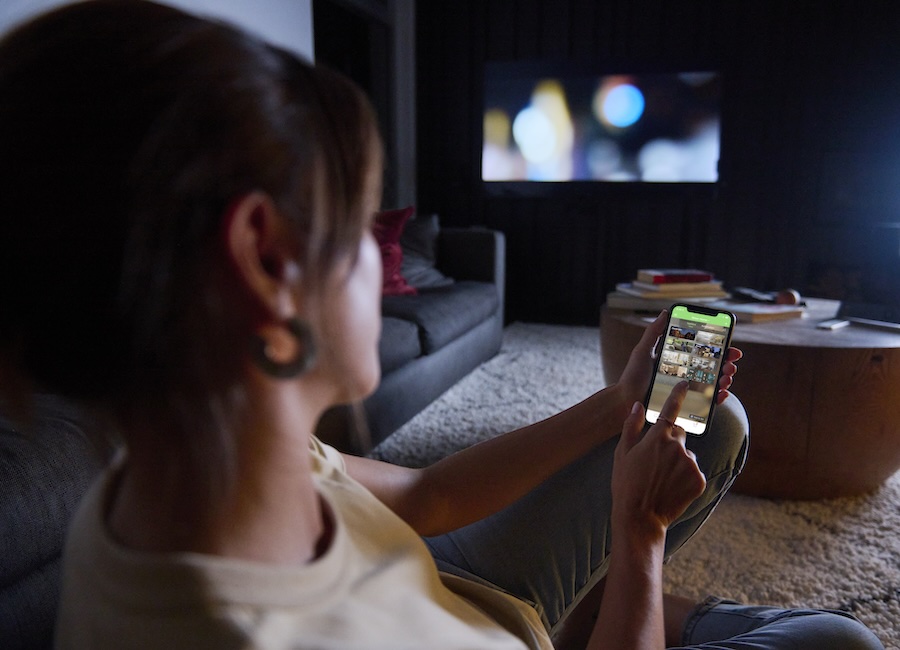
Some systems allow you to program “moments” that control groups of smart home products at once by simply saying the commands aloud.
For example, telling your home to switch to travel mode can turn off your hot water cylinder, set your lights to turn on and off on a schedule, and fool burglars into thinking someone is home. When you say “It’s bedtime,” the lights upstairs may automatically turn off and the electric blinds may close the curtains. These features not only save time, but are also helpful for homeowners with limited mobility or disabilities.
How to gI started
If you can’t afford to turn your entire house into a smart home right away, you can start with pre-wiring for EV charging and a few smart light switches. You can then gradually add features such as hot water and blind control.
There are many smart products on the market, and they are often a good way to try out smart technology at a low cost. However, it pays to do your homework on its features.
If your smart light bulb relies on a wall switch being turned on, one flick of the switch will turn off all the clever features.
Battery The battery in your device needs to be replaced. Not all products integrate with smart speakers like Apple HomePod, Google Nest, Amazon Alexa, and Echo, so it’s also important to check compatibility if you’re using one of these devices.
To add the most value to your home, a permanently installed wired system is the way to go. They are less likely to accidentally switch off and are generally more reliable in the long run.
Look for a trusted brand that has been around for years, where you can receive great support and receive updates after the sale.
If you’re not familiar with smart home features and don’t know where to start, talk to a home automation expert or registered electrician.