
Would you like to follow a diet that takes into account the risk of atrial fibrillation? A doctor explains the foods and two nutrients revealed through 12 years of research
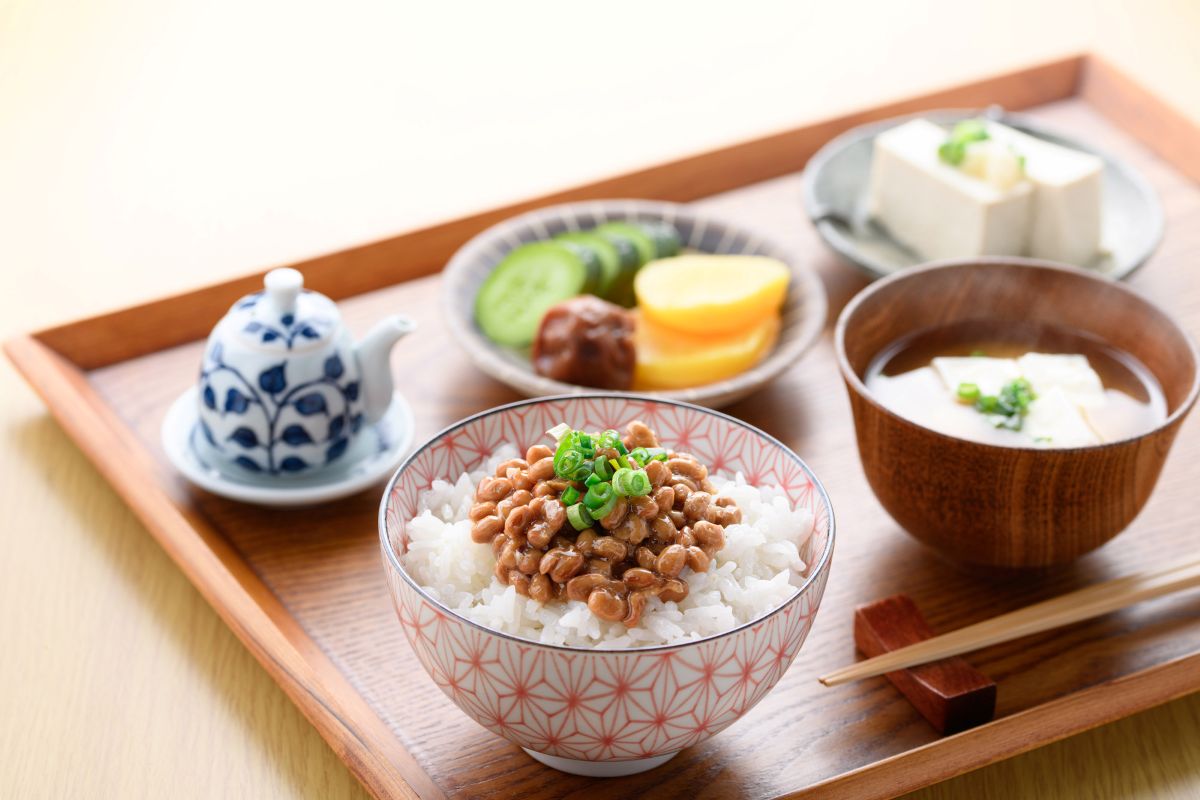
Researchers at the National Cerebral and Cardiovascular Center investigated the association between soy, isoflavone, and vitamin K intake and atrial fibrillation risk. The results showed that in women, the higher the intake of natto and vitamin K, the lower the risk of atrial fibrillation. Through thorough follow-up for approximately 12.6 years, this study highlighted the consideration of circumstances and the usefulness of specific fermented foods.
*Interviewed in January 2026.
Supervisiondoctor:
Yasunobu Gohira(Medical Corporation Tokushukai Sapporo Moiwa Tokushukai Hospital)
View more profiles
Graduated from Asahikawa Medical University in 2009. As a specialist in cardiovascular medicine, he has been engaged in emergency medical care and treatment of heart diseases for many years, mainly at Sapporo Higashi-Tokushukai Hospital. In 2023, he served as the director of the Sleep, Apnea, and Telemedicine Center, and worked hard to build a medical treatment system using the latest technology. A hospital director will be appointed from 2024, and the name will be changed to “Sapporo Moiwa Tokushukai Hospital” in October 2025. Certified cardiologist. General specialist and instructor of the Japan Sleep Society. Japan Sports Association certified sports doctor. Japanese Society certified internal medicine physician.
What did the research group announce?
Editorial department
Please tell us about the content announced by researchers at the National Cerebral and Cardiovascular Center.
Professor Yasunobu Gohira
This study was conducted to examine the relationship between nutrients such as soy foods, isoflavones, and vitamin K and the onset of atrial fibrillation. As a result, 222 people developed atrial fibrillation. The analysis showed that among women, those who consumed the most natto had a cautiously lower risk of atrial fibrillation compared to those who consumed the least.
On the other hand, no relationship was observed with natto intake in men. Additionally, a moderate amount of miso intake was associated with a lower risk of atrial fibrillation in men. Furthermore, in women, a higher intake of vitamin K was associated with a lower risk of atrial fibrillation. However, no clear association was found between total intake of tofu, soybeans, isobone, etc. and atrial fibrillation in both men and women.
What is atrial fibrillation, which is the research topic?
Editorial department
Please tell us about atrial fibrillation, which is related to this research theme.
Professor Yasunobu Gohira
Diagnosis requires an electrocardiogram, and if symptoms are irregular, long-term recording tests may be required. Treatment options include cerebral infarction prevention using anticoagulants, drug therapy, and catheter treatment.
What is the reception to the research content?
Editorial department
Please let us know your reception of the content presented by researchers at the National Cerebral and Cardiovascular Center.
Professor Yasunobu Gohira
Among women, it was found that those who frequently consumed natto were less likely to have atrial fibrillation. In particular, women who consumed large amounts of vitamin K, which is found in natto, had a significantly reduced incidence of atrial fibrillation. It is important to note that the phenomenon of having less atrial fibrillation is simply a relationship that tends to occur together, and is not limited to cause and effect. On the other hand, no clear association was observed in men. No effect was seen with tofu or soybean foods as a whole, and the unique characteristics of fermented food, natto, may be related.
However, this does not mean that eating natto will always prevent the disease. In particular, if you are taking warfarin to prevent thrombosis by thinning the blood, please be aware that natto is prohibited.
Editorial department summary
This study showed that intake of natto and vitamin K may be associated with a reduced risk of atrial fibrillation, especially in women. Eventually, we will learn that not all soy foods are protective. Atrial fibrillation can lead to serious complications such as cerebral infarction, so it is important to adjust your daily habits.