
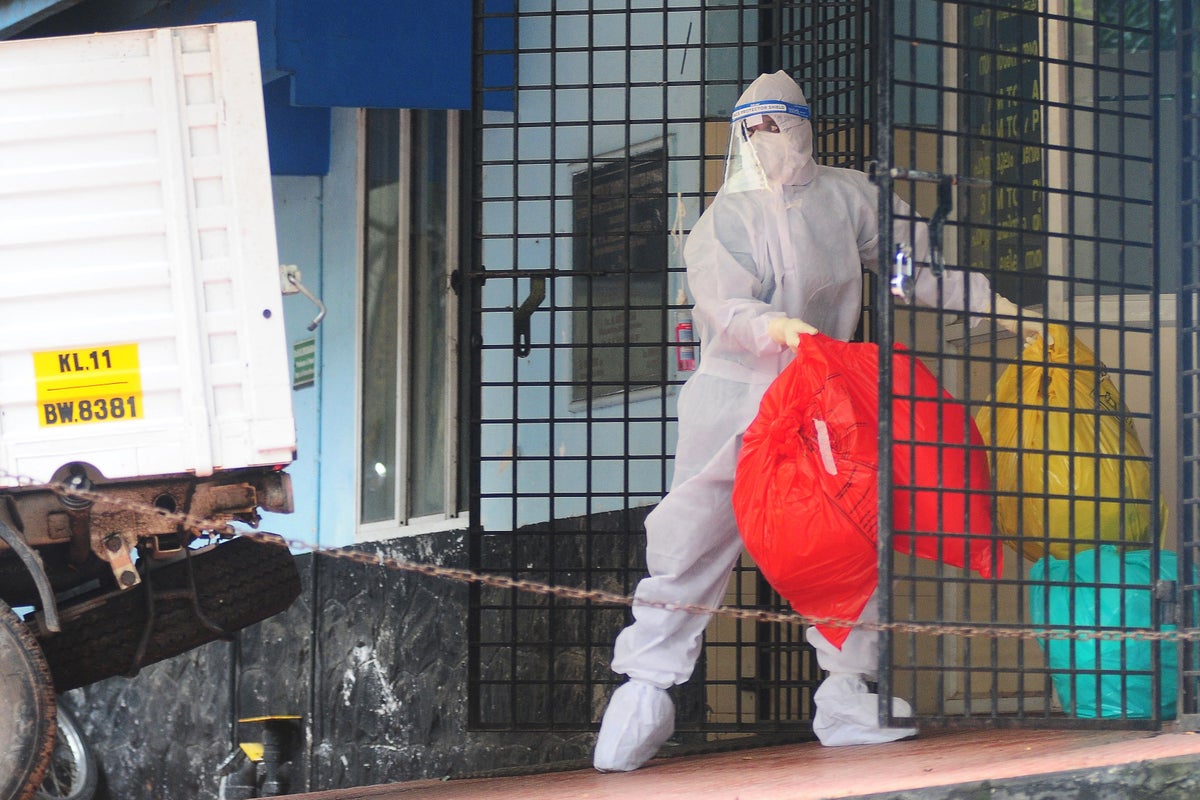
India is moving quickly to contain the Nipah virus outbreak in the eastern state of West Bengal after five people were confirmed infected, including a doctor and a nurse.
According to local media reports, nearly 100 people have been asked to quarantine at home, and infected patients are being treated in hospitals in and around the capital, Kolkata, with one patient in critical condition.
Nipah is a deadly virus for which there is no vaccine or treatment and is considered a high-risk pathogen by the World Health Organization. Experts say human transmission is rare and usually occurs when the virus is spilled from bats, often through contaminated fruit.
Here’s what you need to know about this virus:
Nipah virus (NiV) infection: what are the symptoms?
Nipah virus (NiV) infection almost always begins with nonspecific symptoms, making early detection difficult.
According to the U.S. Centers for Disease Control and Prevention (CDC), the incubation period is generally thought to range from 4 to 21 days, but previous outbreaks have rarely reported longer periods between infection and onset of symptoms.
Patients usually have a sudden onset of a flu-like illness characterized by fever, headache, muscle aches, and fatigue. In some cases, respiratory symptoms such as cough, shortness of breath, and pneumonia also occur, but the timing and severity of these symptoms vary widely.
The most serious and defining complication of Nipah infection is inflammation of the brain known as encephalitis. Neurological symptoms, such as confusion, altered consciousness, seizures, and coma, usually appear days to weeks after the initial onset of the illness.
Some patients may also develop meningitis.
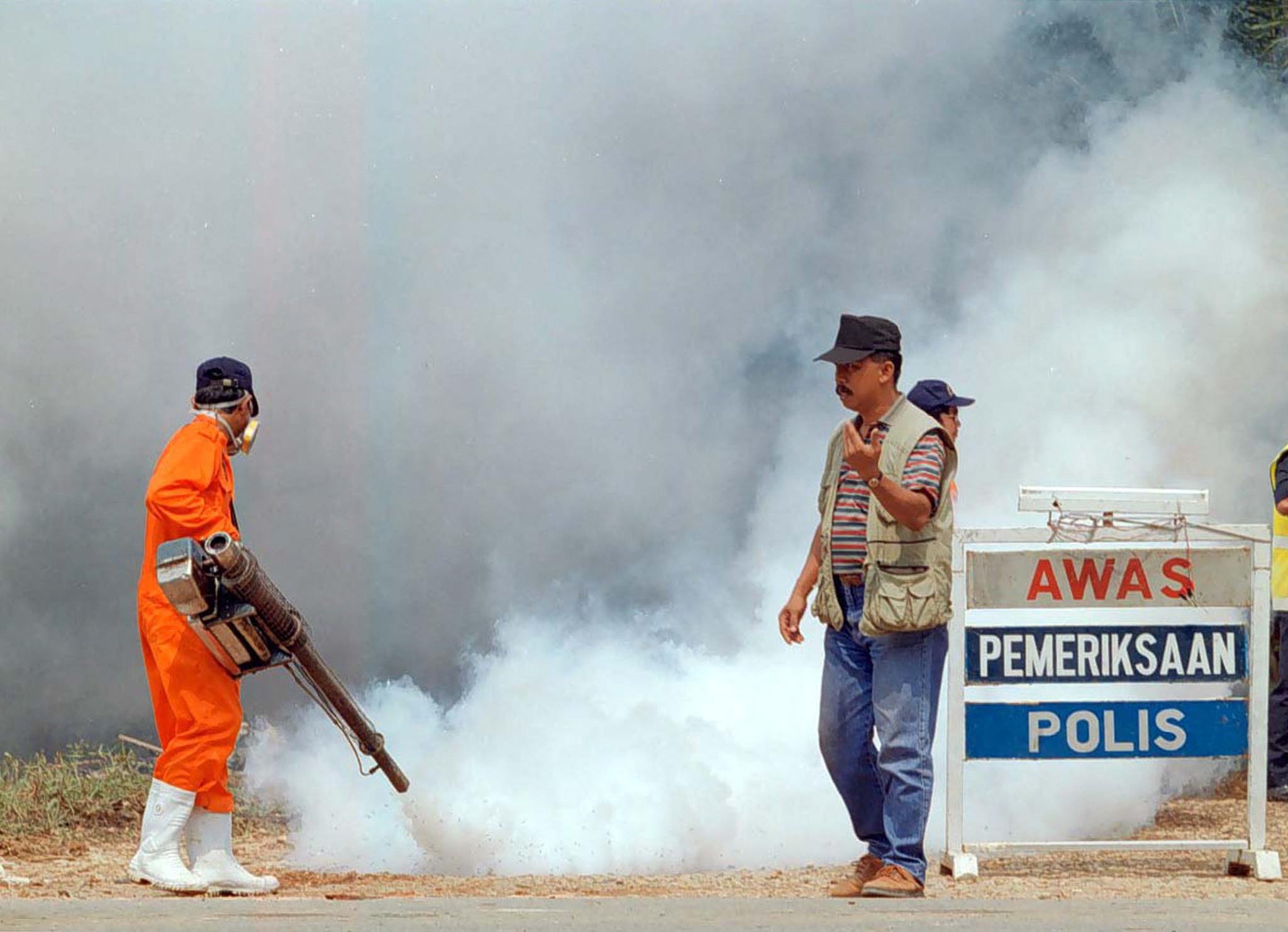
How deadly is Nipah virus?
Nipah virus is associated with high mortality rates, with fatality rates reported between 40 and 75 percent depending on the outbreak and the virus strain involved.
Survivors may experience long-term neurological effects, including persistent seizures and personality changes, according to the latest information from the UK Health and Safety Executive.
Rarely, encephalitis has been reported to recur months or years after the initial infection due to viral recurrence or reactivation.
How does Nipah virus spread?
According to the World Health Organization, Nipah virus is a zoonotic pathogen that can be transmitted from animals to humans and from humans to humans.
The main natural carrier is the fruit bat (pteropus species); humans can become infected through direct contact with infected bats or other animals or by ingesting food contaminated with bat saliva, urine, or feces.
Person-to-person transmission has also been reported, particularly through close contact with the body fluids of an infected person.
Where was Nipah virus first discovered?
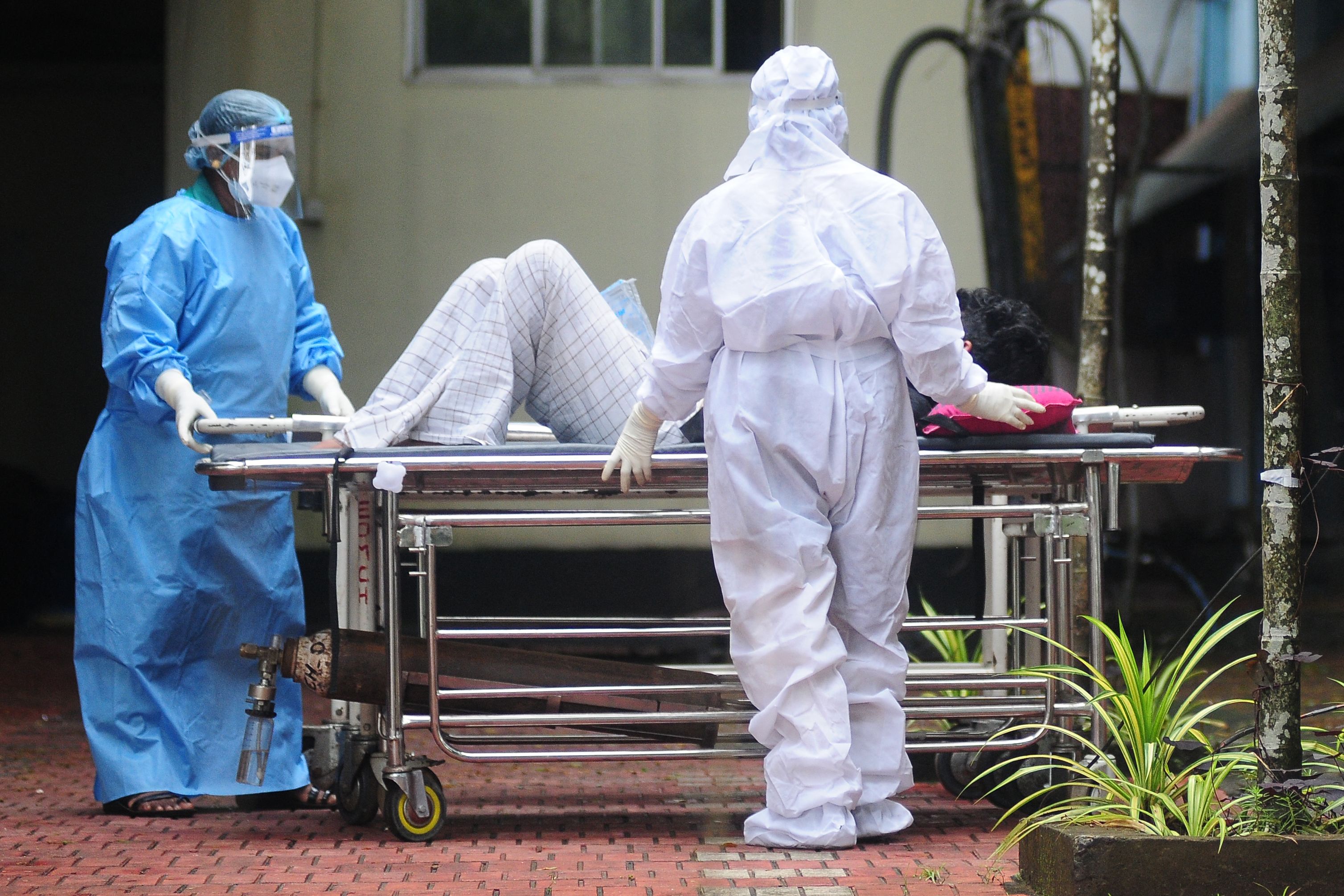
Nipah virus (NiV) was first identified in 1999 after outbreaks of encephalitis and respiratory illness among pig farmers and others who had close contact with infected pigs in Malaysia and Singapore. This episode led to the recognition of NiV as a serious zoonotic pathogen that can be transmitted from animals to humans.
Since then, repeated outbreaks have been recorded in South Asia. Cases have been reported in parts of northeastern India and some districts in Bangladesh, where outbreaks have occurred almost every year since 2001.
The first Nipah disease outbreak was reported in the southern Indian state of Kerala in 2018, followed by sporadic cases over the next few years.
Outside of South Asia, infections have also been reported in the Philippines, where research suggests the infections are caused by Nipah virus or a closely related Nipah virus strain.
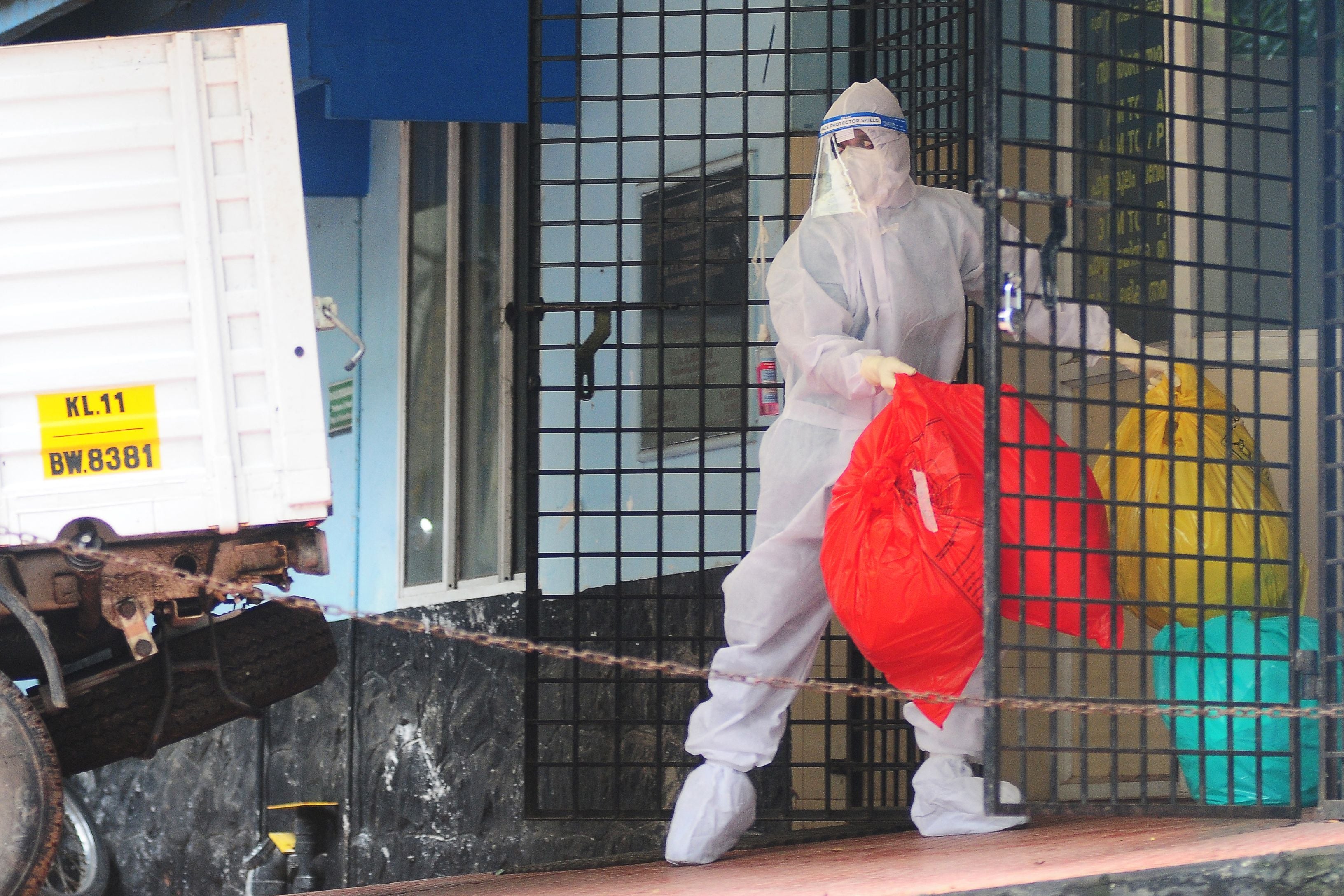
Scientific research has identified fruit bats as the natural reservoir of the virus. Nipah virus was isolated from the urine of bats in Malaysia, and antibodies have also been detected in at least 23 species of bats across Asia, as well as parts of Africa, including Ghana and Madagascar.
Despite this wide animal reservoir, confirmed human outbreaks have so far been confined to South and Southeast Asia, and typically occur in rural or semi-rural areas where contact with people, bats and livestock is more likely, WHO said.
According to the WHO, “person-to-person transmission of Nipah virus has also been reported among family members and caregivers of infected patients.”
Is there a cure?
Currently, there are no proven targeted treatments for Nipah virus (NiV) infection, and no approved vaccines to prevent it.
Patient care remains primarily supportive and focuses on managing symptoms and complications as they occur.
The virus is listed as a priority pathogen by the WHO under a research and development program to identify epidemic threats that require urgent research.
Reduce the risk of Nipah infection:
Since no vaccine is available, the World Health Organization recommends that awareness and simple precautions are needed to prevent Nipah virus infection. Public health advice focuses on reducing contact with the virus, including from bats, animals and infected people.
Preventing transmission from bats to humans: Bats are the main vectors of Nipah. WHO guidelines recommend avoiding consumption of raw date palm sap and fruit that may be contaminated by bats.
You can reduce the risk by boiling the juice from fresh dates and washing or peeling the fruit thoroughly. Health officials advise that any fruit with bat bite marks should be thrown away.
Preventing transmission from animals to humans: Anyone handling sick animals or their tissues, or during slaughter, should wear gloves and protective clothing. Contact with infected pigs should be minimized, and pig farms in areas where flying foxes occur should take steps to protect feed and pens from bats.
Preventing person-to-person transmission: Avoid unprotected close contact with Nipah infected persons. Regular hand washing after caring for or visiting a sick person is essential to prevent the spread of the virus.
Nipah virus in popular culture:
2011 movie contagionThe work, which depicts a rapidly spreading global virus, was partly inspired by real-life pathogens such as Nipah virus, a bat-borne virus first identified in Malaysia in 1999, according to the website of the global health nonprofit Path.
Nipah causes severe respiratory disease and brain inflammation (encephalitis) and can be spread from animals to humans, contaminated food, or infected people.
With its high mortality rate, potential for outbreaks, and lack of a vaccine, the film became a model for how zoonotic viruses cause pandemics, and filmmakers used it to frame a realistic global crisis. infectious disease, The path has been recorded.